

Seeing Myself in Full Color
How Korean colour analysis and Japanese image consulation helped me unlearn trends and relearn my presence.

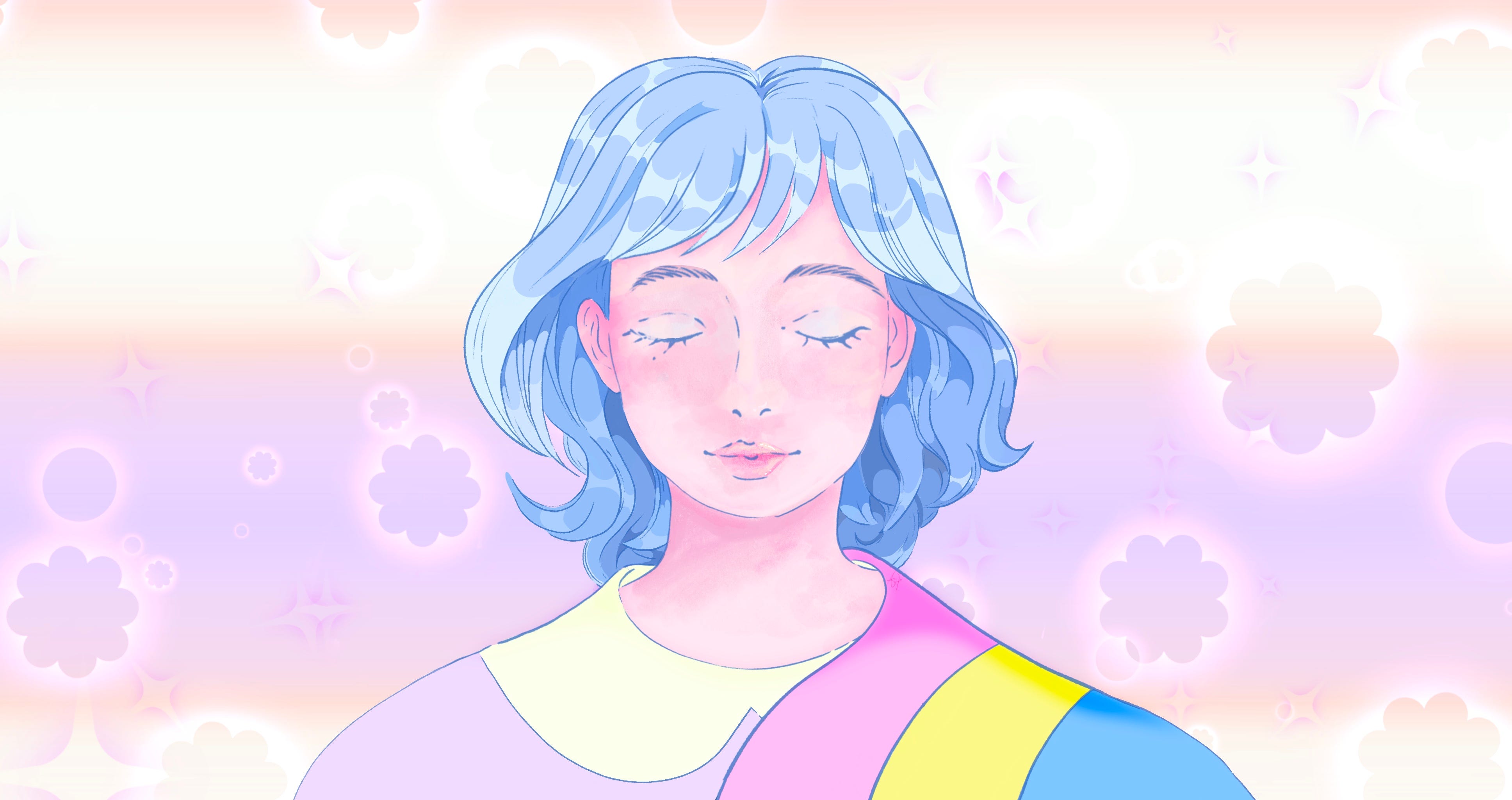
When Beauty felt out of reach
Like many little girls, I wanted to look pretty but I also wanted to be authentically me.
I didn’t want to be boxed into traditional femininity, and for a long time, I believed caring about beauty was a kind of vanity. I didn’t relate to the damsel-in-distress ideal; I wanted to be capable, independent, and seen for my essence, not just my appearance.
Over time, though, that resistance turned into a disconnect. I unknowingly pushed beauty away, and in doing so, I lost a part of my shine, both physically and emotionally.
I tried reclaiming it by following YouTube tutorials and trend cycles, but nothing fit quite right. I was unknowingly chasing a mold, shaped by algorithms and model-sized standards that didn’t reflect me.
Analyzed into Full Colour
Then a friend introduced me to Korean-style color analysis. I assumed I was a Winter as I've always wore black and navy. But the results surprised me: Light Spring.
I was nervous with Light Spring sounded too soft and feminine. And I worried it meant pastel florals and delicate details I couldn’t relate to. But I soon realized it could be implemented in my own way as clean, minimal, modern. When I started adjusting my colors, I received many compliments — not just for how I looked, but for how I seemed. People said I looked more open, more alive. For the first time in a long while, I felt seen.
As an introvert, I realized I used color as a way to express more warmth and approachability. But I also began noticing the limitations in the system.
What if your palette doesn’t match your job’s dress code? What if your soft coloring doesn’t align with the energy you want to project in a serious business environment?
The Shift to Intuition
After resigning from my full-time teaching, I asked myself what I loved and what comes naturally. I knew I enjoyed giving people personalized, thoughtful advice. But I didn’t want to be an influencer. I wanted something more grounded, more intimate.
I couldn’t stop thinking about that color analysis session and how it combined self-awareness, aesthetics, and design logic. That’s when I thought: What if I learned to do this? What if I got certified?
Why I Chose Japanese Beauty Principles
While the Korean analysis sparked the interest, it was Japanese beauty philosophy that truly resonated. I’ve always leaned toward their sense of subtle refinement, natural harmony, and quiet transformation. So, while planning a trip to Tokyo, I enrolled in a 5-day image consulting course with Connie at Color Me Tokyo.
The training was practical, detailed, and incredibly aligned with my design background. Rather than rigid rules, we were taught how to refine and adapt — to use beauty as a tool of communication, not conformity.
We studied face, body, and color analysis by paying close attention to subtle details that often go unnoticed but make a powerful difference. We also compared Japanese and global body type standards and explored how things like the scale of a pattern can shift how youthful or grounded someone appears.
When the Colours Came Full Circle
During that time, I received a new color analysis and was declared by my classmate as a Clear Winter. In a way, it felt like coming full circle: my original instinct had been Winter, and now it was affirmed with more clarity and nuance. But surprisingly, my Light Spring experience wasn’t a mistake either, it helped me explore softness, and how warmth could be integrated without losing who I was.
Through both, I began recognizing a deeper pattern: it’s vivid colors — whether light or dark — that bring my features to life. Summer tones can work in softer settings, but Autumn shades aged me. That contrast clarity became the through-line.
Beauty, I learned, isn’t about choosing a side, but it’s about recognizing your full range and knowing how to navigate within it.
From Self-Doubt to Self-Recognition
That realization changed how I dressed and how I lived.
I stopped second-guessing my makeup purchases, became more intentional with skincare, and started shopping more confidently, especially with beauty products.
Beauty became a language I could finally read and choose how to speak.
Looking back, my journey through Korean and Japanese color analysis wasn’t just about discovering my palette, it was about rediscovering clarity, presence, and emotional tone.
Beauty is your call
Beauty isn’t about fitting in, it’s about choosing how you want to be perceived. That’s what I now bring into my work and recognize
What happens when we stop chasing categories and start listening to our visual rhythm?
If you're not sure where to begin, start with the moments you feel most like you. What colors, shapes, or textures show up? Your body already knows more than the algorithm.